22/10/2026 12:57
Cover Only or Whole Cushion? Telegram Greeting Messages for Cambodian Cleaning Shops
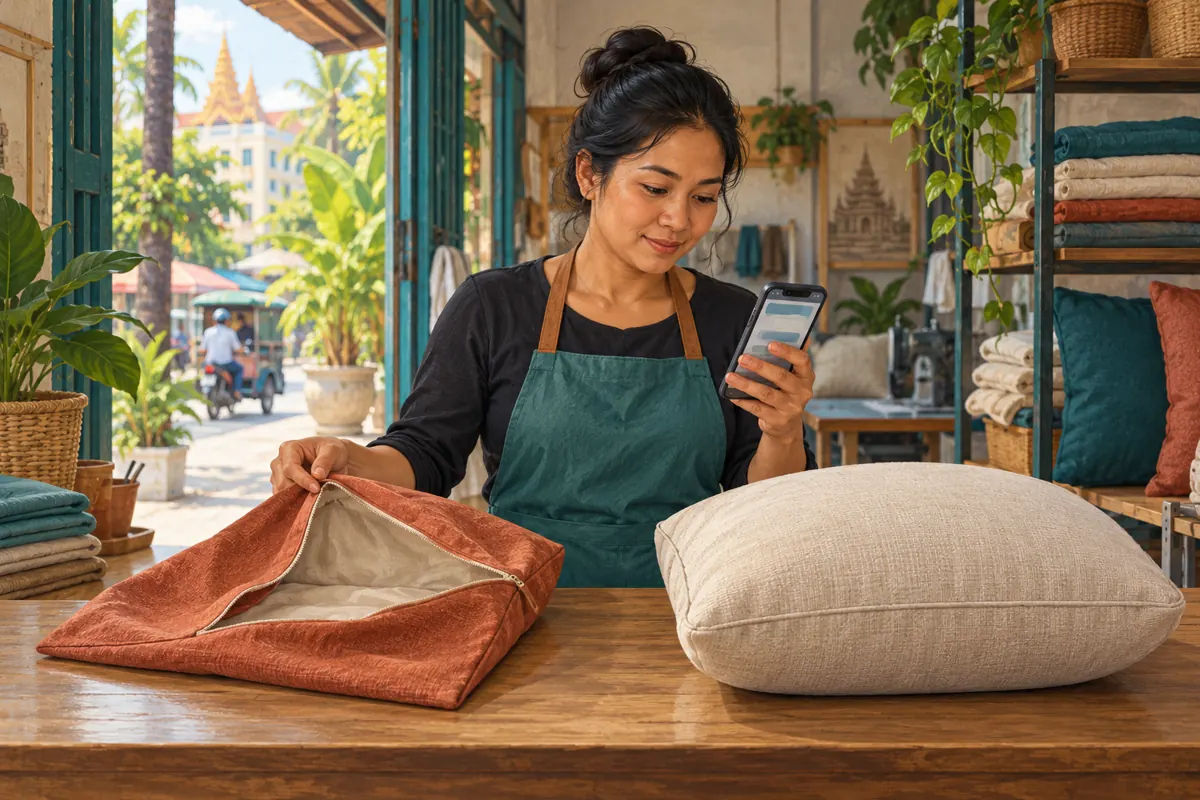
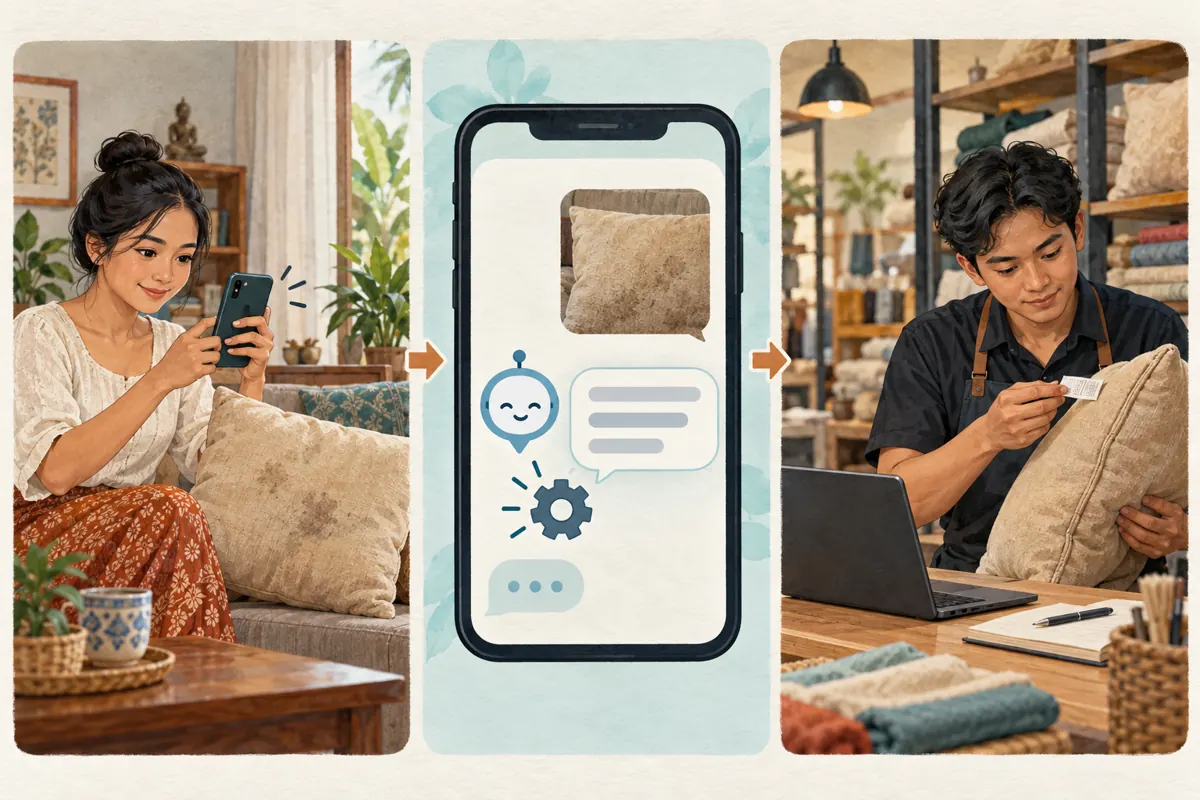
A cushion-cleaning promotion can attract a very simple message: “How much?” The answer becomes complicated when the shop cannot tell whether the customer means an empty removable cover, a filled cushion or upholstery attached to a sofa. For a Cambodian cleaning business promoting its work through Telegram, the first reply should help resolve that uncertainty. A useful greeting asks for enough information to start a conversation without pretending to inspect fabric, calculate a final price or reserve a collection slot. This workflow connects a clear public promotion to a short automated greeting, a human review and a reliable enquiry record.
1. Choose the decision your greeting should unlock
Start with the question that changes what your staff need to assess: does the customer want the cover cleaned separately, the complete cushion assessed, or cleaning for an attached upholstered surface? These requests may require different handling. Your greeting should make the distinction understandable without expecting customers to know upholstery terminology. Ask what they want cleaned and invite a whole-item photo when they are unsure.
Consider a hypothetical Phnom Penh shop promoting cushion cleaning to nearby households and small cafés. A café manager sends a close-up of a stain, but the image does not reveal whether it belongs to a loose seat pad or a fixed bench. Asking for the whole item is more useful than immediately quoting. The initial goal is an assessable enquiry: an identifiable item, a clear request and enough context for a staff member to choose the next question.
2. Understand when Telegram sends the greeting
Telegram’s official Business guide describes greeting messages sent when people contact a business for the first time, with a configurable inactivity period after which a new message can trigger the greeting again. It also describes exclusions for particular chats or chat categories. Its current technical documentation lists Business features as included for Premium subscribers. Check the options available in the shop’s own app before planning around them.
Treat this as an incoming-chat tool. Someone seeing a promotional post has not necessarily contacted the shop, and a greeting is not a broadcast to everyone who saw it. Also distinguish the greeting from the actual service decision: an automatic acknowledgement cannot establish fabric suitability or staff availability. Decide who will read the customer’s response and what that person is allowed to confirm before enabling the message.
3. Ask for a small, useful first response
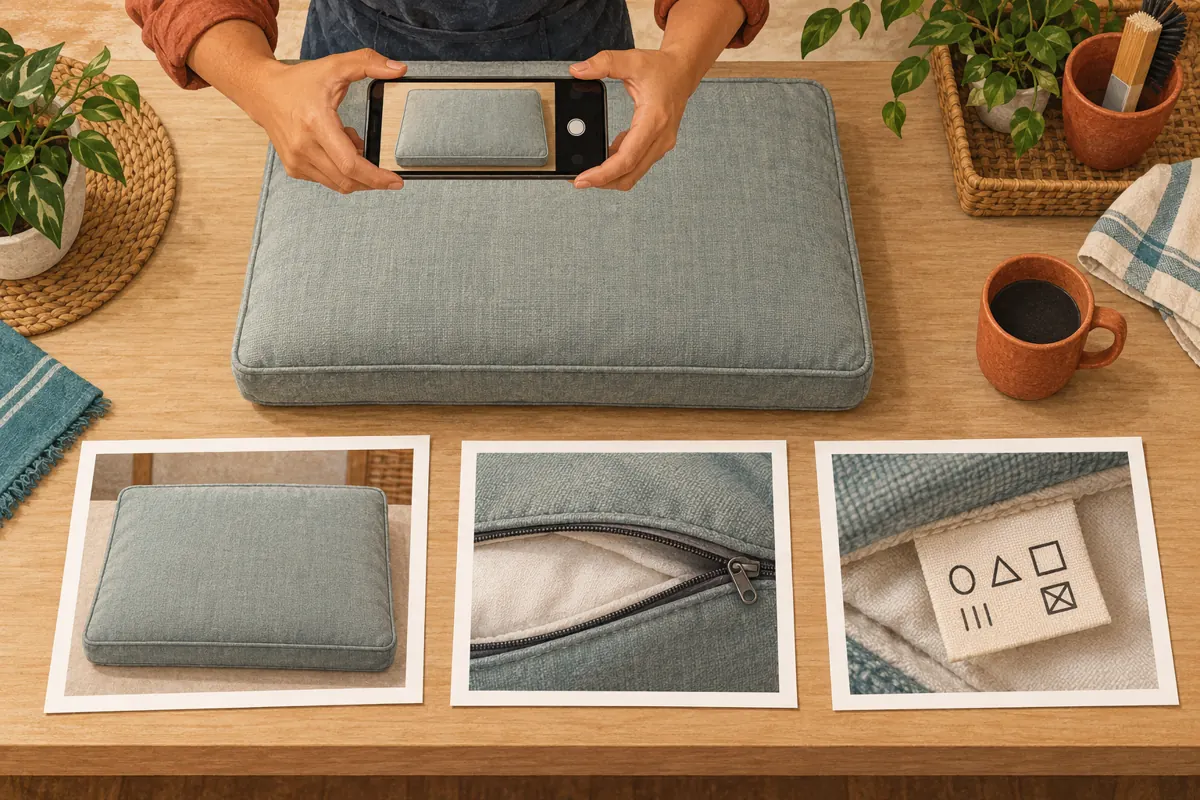
Limit the first request to information that changes the next step. Ask whether the enquiry concerns a removable cover or the whole cushion, request a whole-item photo, and ask for the quantity and general area. A district or neighbourhood can be enough for an initial service-area check. Save the exact collection address for a later private exchange when collection is actually being arranged.
Offer an easy alternative for uncertainty: “If you are unsure, send a photo of the whole item.” Avoid turning the greeting into a technical questionnaire about fabric composition, filling density and treatment history. Those details may matter later, but a customer who does not know them should still be able to begin. Do not ask someone to force a zipper, remove tightly fitted material or dismantle furniture just to satisfy your intake instructions.
4. Draft a greeting that sounds like your shop
For the hypothetical shop, an English working draft could read: “Hello, thanks for contacting our cleaning team. Is this for removable cushion covers or complete cushions? Please send a photo of the whole item, the quantity and your general area. If you are unsure about the cover, the photo is enough to start. A team member will review your request before confirming suitability, price or collection.”
Use this as a structure, not an automatic claim about your services. Remove collection if the business only accepts drop-offs. For customers who normally communicate in Khmer, have a fluent staff member prepare and review the actual Khmer greeting. Ask them to preserve the distinction between cover and complete cushion, especially where a literal translation could be ambiguous. Keep the opening friendly, put the main request early and leave detailed conditions for the relevant follow-up.
5. Configure recipients and returning conversations carefully
Telegram’s guide places Business features under Settings, then Telegram Business. Open the greeting controls available in your app, enter the approved wording and review who should receive it. Use the available exclusions to avoid sending customer intake instructions to colleagues or personal conversations. Review the inactivity setting deliberately rather than leaving it unexplained in the shop’s operating notes.
Choose the repeat behaviour around the way customers return. A repeat customer may be discussing an unfinished job rather than starting a new request. Write the greeting so it remains polite in that situation, and instruct staff to read the conversation before asking for information again. Record the chosen settings and the review date in a simple internal note. If the greeting feature is unavailable, use the same approved wording manually while you check access; the intake process can still work.
6. Make the promotion prepare customers for the greeting
The public post should explain what a useful enquiry looks like. Show a removable cover beside a complete cushion using the shop’s own demonstration items, and describe which requests the business can assess. A suitable call to action might ask readers to message a whole-item photo for an initial review. Avoid promising an instant final quote if staff must inspect construction, condition or care information first.
Keep the advertised scope and greeting aligned. If a post concerns loose dining-chair pads, a greeting that immediately discusses full sofas can make customers question whether they reached the right shop. The greeting can stay broad enough for normal enquiries, while the responding employee acknowledges the specific promotion. Clearly label illustrative artwork as illustration where necessary, and do not present it as a completed cleaning job or customer result.
7. Test the conversation before increasing exposure
Use a consenting test participant whose chat meets the intended recipient conditions. Have them send an ordinary enquiry and check the greeting on their phone. Can they identify the first action without scrolling through a long explanation? Does the message ask for anything already supplied? Confirm that the receiving staff member knows where to continue the conversation and does not simply repeat the automatic text.
Test several realistic inputs: a price-only question, an unclear stain photo and a complete enquiry that already includes quantity and area. Review how a returning conversation should be handled when the inactivity condition is met; do not assume deleting a chat reproduces every trigger. Record expected and observed behaviour separately. If the result differs, check the settings and available official guidance before building a promotion around an unverified assumption.
8. Turn the reply into a human assessment
In a hypothetical follow-up, the café manager sends an overview showing several loose bench cushions. The employee can now ask whether the covers are removable and request a care-label photo if one is accessible. A close-up of the affected area may also help, but the employee should explain what remains uncertain. A photograph supports an initial assessment; it does not reveal every material or condition issue.
Answer in stages: acknowledge what the customer supplied, ask the one missing question that matters next, then explain the next decision. Once the shop has enough information, state the proposed scope and any inspection requirement before discussing a booking. Keep price, collection arrangements and customer acceptance explicit in the conversation. This prevents a friendly automated reply from being mistaken for agreement to clean every item shown.
9. Keep SMM panel services separate from intake automation
The supplied moha-smm.com catalogue includes the exact public service name “Telegram Reactions ~ AI Based on Content ~ [Single Post] ~ INSTANT”. Its title identifies a single-post reaction offering, but the supplied description is empty. That provides no basis for asserting how reactions are selected, who supplies them or whether any participant is Cambodian. The title’s timing and AI wording should not be treated as independently verified performance claims.
A reaction service is not a Telegram Business greeting configuration service. Nothing in the supplied information establishes that it reads enquiries, collects cushion photos or books cleaning work. Purchased engagement is not evidence of genuine interest, sales, advertising delivery or Cambodian users. If a campaign record includes panel activity, keep that activity separately identified and review applicable platform rules before proceeding. Do not display purchased reactions as proof that local customers recommend the cleaning service.
10. Review missing information, not just visible activity
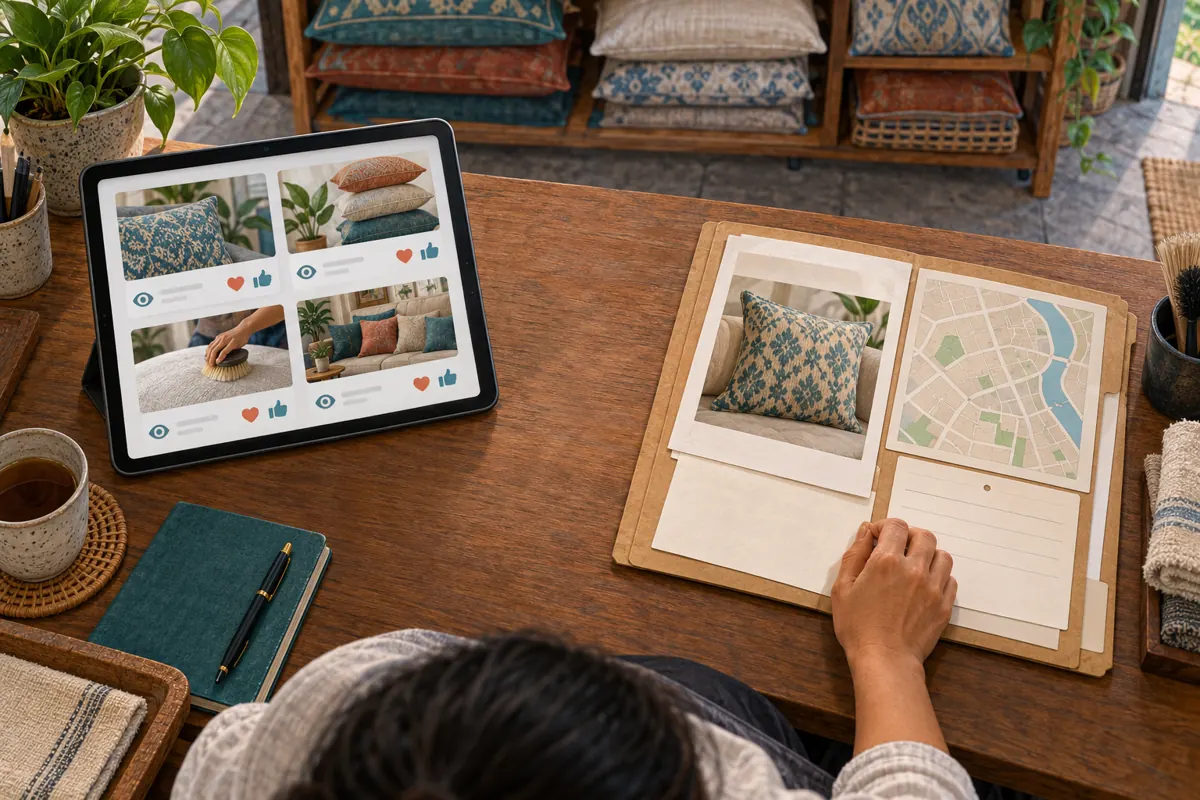
Keep a modest enquiry log with the date, item type, whether a usable photo arrived, the missing information and the next agreed action. Use an internal reference rather than copying unnecessary personal details into a promotional report. Review whether staff repeatedly have to explain the same distinction. If customers keep sending only stain close-ups, revise the request to specify a photo showing the whole cushion and its edges.
Separate an enquiry from a quotation, an accepted booking and a completed job. These are different events, even when they happen in one conversation. Public post activity belongs in another part of the review. If a person says they found the shop through a particular post, record that as their reported source. Do not assume a change in message volume was caused by panel activity, a new greeting or any single promotional change.
11. Fix the mistakes that make greetings feel unhelpful
A common mistake is loading the greeting with every rule the business has. Customers then miss the simple request that would move their enquiry forward. Another is using language that sounds final: “Your cleaning is confirmed” or “We can remove this stain” before inspection. Replace premature conclusions with a clear review step. Also remove expired offers, temporary collection promises and claims about response times that the team cannot consistently meet.
The most frustrating mistake is ignoring what the customer already sent. If the opening message includes the item, quantity and area, the human reply should use that information immediately. Review the greeting whenever the service scope changes and assign one person to maintain it. Keep a dated copy of the approved wording so staff can explain what a customer received, especially when an enquiry continues after the message has been revised.
Frequently asked questions
Should the greeting include a fixed cushion-cleaning price?
Include a price only when its scope and conditions are genuinely established. A cover-only price can confuse someone seeking cleaning for a complete cushion. If the quote depends on construction or condition, ask for the initial information first and explain that staff will confirm the applicable service and price.
What if the customer cannot tell whether the cover is removable?
Accept uncertainty. Ask for a whole-item photo and, if easily accessible, a view of the closure. Do not instruct the customer to force anything open. Staff can decide whether another photograph or an in-person inspection is necessary before suggesting a service.
Can this workflow work without an automated greeting?
Yes. A staff member can send the approved intake wording manually and adapt it to information already provided. Automation is useful only when its recipient rules and message fit the business. Clear questions, timely human review and explicit booking confirmation remain the essential steps.
Should an SMM panel provider receive customer enquiry screenshots?
Customer photos, addresses and cleaning discussions are unrelated to a public-post reaction request. Keep them out of panel order records. If support needs evidence about a service order, provide the relevant public target and order information while removing unrelated private details.
How can the shop tell whether the greeting needs improvement?
Review the questions staff repeatedly ask after customers respond. Frequent confusion about covers, missing overview photos or uncertainty about collection indicates a wording problem worth testing. Change one important instruction at a time and inspect subsequent conversations without promising a particular improvement in bookings.
Explore the current service catalogue, create an account, or ask a specific question through support tickets.
- Telegram: Introducing Telegram Business — greeting messages, exclusions and settings
- Telegram Business technical documentation — feature access and greeting configuration
Prepared with AI assistance. Illustrations explain the workflow and do not represent customer results.