22/10/2026 16:16
Khmer Speech, English Packaging? YouTube Language Checks for Cambodian Label-Printer Shops

A label-printer demonstration can contain several languages without being a multilingual lesson. The presenter may explain the loading process in Khmer, the carton may carry English wording, and the printer software may display English buttons. For a Cambodian shop preparing that video for promotion, the practical question is which language describes the actual explanation. Start by listening to the demonstration, then review its language setting and captions separately. This workflow helps a shop prepare a usable buying guide while keeping SMM-panel service claims separate from evidence that viewers understood the product.
1. Start with the question the demonstration must answer
Consider a hypothetical label-printer supplier in Phnom Penh preparing a video for small retailers. Its purpose is to explain which replacement label roll a buyer should ask about. The presenter speaks Khmer while pointing to an English model name and showing how a roll sits inside the printer. The useful outcome is a clearer compatibility enquiry containing the printer model and roll details.
Write that outcome before adjusting metadata or considering promotion. A video intended to explain replacement rolls needs a different review from one introducing a new printer. Ask whether a viewer can distinguish the individual label dimensions from the width of the backing paper and the diameter of the whole roll. These are separate physical details; the shop should verify which matter for the specific product.
Keep this brief beside the uploaded video. It gives the reviewer a concrete reason to check language: the explanation must help someone ask about the correct item.
2. Separate speech, packaging and caption language
Listen to the opening, the main demonstration and the closing instruction without reading the title. Note the language carrying the explanations. An English model code spoken inside a Khmer sentence does not, by itself, make the explanation English. Likewise, a carton printed in English does not establish the language of the presenter’s narration.
Create a short review note with separate entries for spoken explanation, visible product wording, title and description, and available subtitles. This is an editorial inventory, not a claim about how YouTube categorizes every mixed-language video. It prevents a colleague from copying the language of the packaging into every field.
If the demonstration genuinely alternates between substantial Khmer and English explanations, record that fact. Choose the setting that best describes the original video and make the mixed-language experience clear to viewers. For a complicated tutorial, separate language-specific versions may be easier to maintain, provided the shop can review both accurately.
3. Check the original-language setting on the correct upload
YouTube says its video-language setting helps identify a video’s original language, supports caption work and helps viewers find videos in their language. Its documented route is YouTube Studio, Content, the video’s title or thumbnail, then SHOW MORE. Under Language and captions certification, review the language selections for the video and its title and description, then save. See YouTube’s [video-language guidance](https://support.google.com/youtube/answer/6304325?hl=en).
Before saving, match the upload to your review brief. Shops may have similar demonstrations for different printers, and a familiar thumbnail is insufficient identification. Play the loading sequence and compare the demonstrated machine with the intended product. Record the public video URL alongside the model reference so the next reviewer opens the same upload.
Treat this as an accuracy correction. Do not choose English merely because it appears more commercially useful, or Khmer merely because the shop operates in Cambodia. Describe the content actually present. The selection does not establish Cambodian audience targeting or prove that the video will reach prospective buyers.
4. Give existing captions their own review
Changing the original-language setting affects the source used for future subtitle translations; YouTube says existing published and draft captions remain unaffected. Therefore, a language correction is not a caption repair. This distinction is documented in the same official video-language guidance.
Open the available caption tracks and inspect the instructions that determine what the buyer does. In the hypothetical printer demonstration, these include which way the label roll faces, which component the presenter points to and which measurement belongs to the label. If the audio is unclear, ask the presenter what was intended before writing a confident caption.
YouTube’s caption tools include adding a language and uploading a subtitle file with timing information. Its auto-sync workflow has language-support requirements, so do not assume it will handle the shop’s Khmer recording. Use an available method that a reviewer can verify against playback. The options are described in YouTube’s [caption instructions](https://support.google.com/youtube/answer/2734796?hl=en).
5. Review technical terms against the physical sample
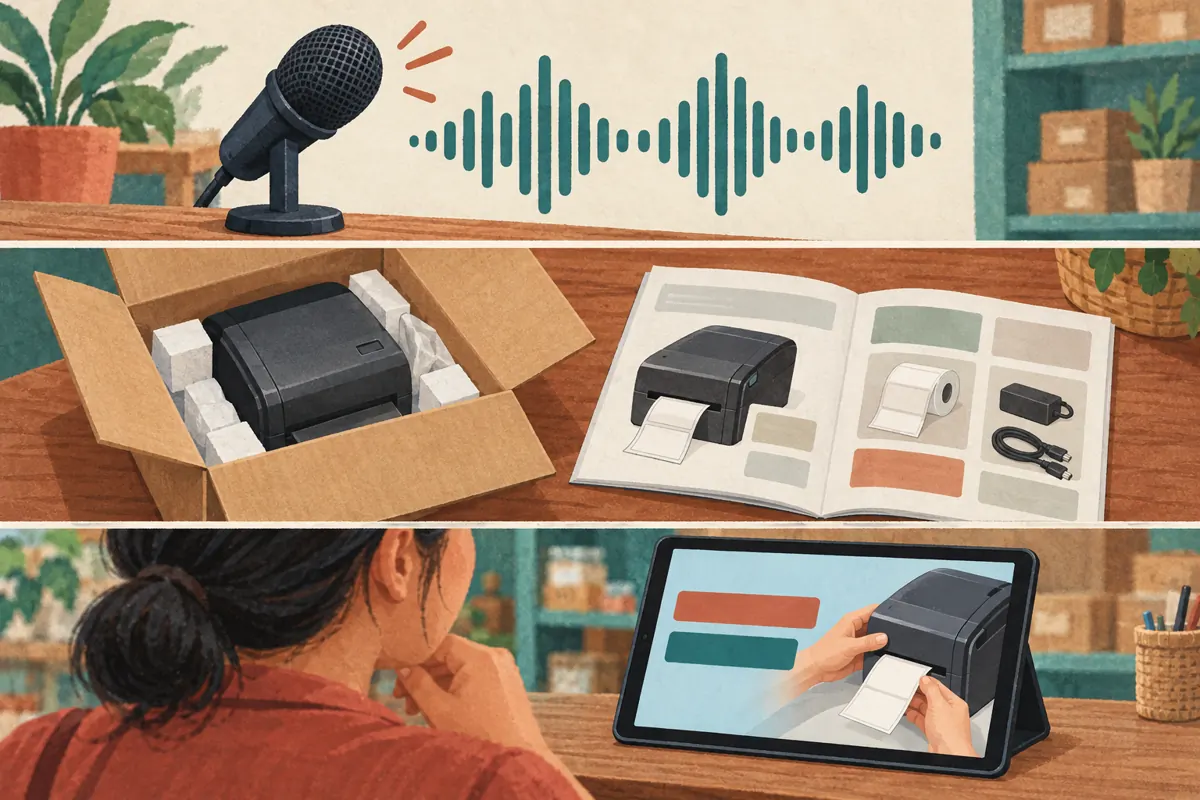
Put the demonstrated printer and roll beside the reviewer where practical. Prepare a small term sheet containing the model name, the shop’s preferred Khmer explanation for each relevant part, and the exact units used. Keep model codes unchanged unless the original recording contains a mistake that needs correction.
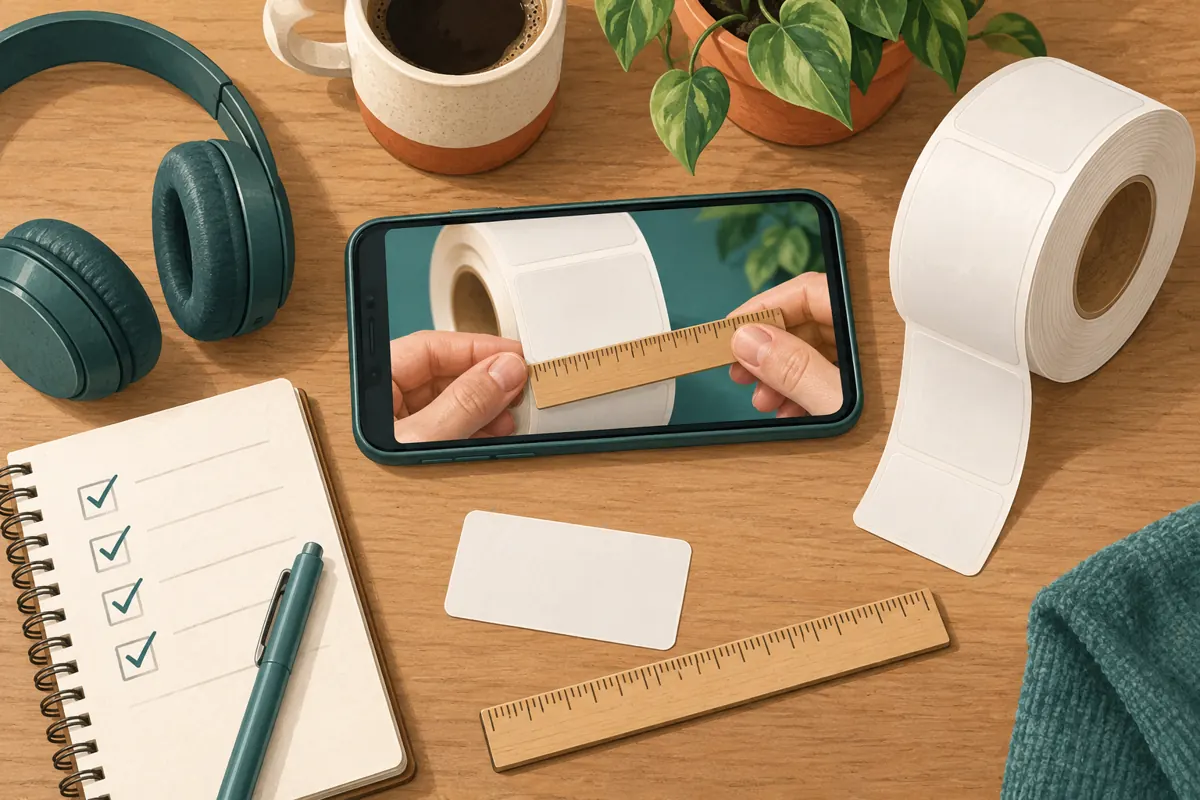
For a hypothetical example, imagine the presenter says a label is 40 millimetres wide while the captions describe a 40-millimetre roll diameter. Those statements refer to different measurements. A fluent sentence can still give the buyer the wrong purchasing instruction. Compare the spoken phrase, the visible measuring action and the caption before approving that moment.
Do not turn the term sheet into a universal compatibility guide. One printer’s requirements cannot be inferred from another printer’s appearance. If compatibility has not been confirmed, make the next step an enquiry with the model and sample details. Avoid wording that promises any roll shown will fit every similar machine.
6. Run a phone test with someone outside the edit
Ask a colleague who did not edit the video to watch it on a phone. Give them a task: identify what information they would send to ask about a replacement roll. Avoid explaining the answer beforehand. Their response is more useful than simply asking whether the video looks professional.
Run one pass with sound and another using the reviewed captions. Check whether the viewer can follow the instruction when the presenter points at the backing paper, the printed label or the roll’s centre. If the caption appears after the pointing gesture has ended, the words may be correct while their timing remains confusing.
Record the specific misunderstanding and revise that moment. For example, a hypothetical reviewer might correctly name the printer but still send only a photograph of the outside carton. The closing instruction then needs to explain which additional roll details the shop requires. This small test evaluates comprehension; it does not estimate market demand.
7. Make the sharing message match the viewing experience
Once the video is ready, write a short sharing message that describes what viewers will receive. If the explanation is in Khmer and the product codes remain in English, say that naturally where it helps. Do not advertise English narration when only an English subtitle track has been prepared.
For the hypothetical shop, a useful invitation would explain that the demonstration shows how to identify a replacement roll, then request the printer model and a clear sample photo for checking. Keep the requested information relevant to the enquiry. A customer should not need to send an address or payment evidence just to establish which product they mean.
Use the approved link in customer replies and relevant promotional posts. Assign someone to handle compatibility questions before sharing widely. Better access to an explanation creates little practical benefit if the shop cannot interpret the information buyers send back.
8. Assess SMM services without confusing counts with understanding
The supplied public catalogue includes “YouTube Like ~ Max 50k ~ 50k/days ~ Instant ~ 𝐍𝐎 𝗥𝗘𝗙𝗜𝗟𝗟”. Its name identifies a likes-related listing, but the brief provides no description. Treat the speed, quantity and other wording as catalogue claims, not verified delivery conditions. Nothing supplied establishes Cambodian viewers, comprehension or buyer intent.
YouTube prohibits artificial increases in engagement metrics and warns that a hired promoter’s methods can affect the channel. Review its [fake engagement policy](https://support.google.com/youtube/answer/3399767?hl=en) before considering a service. If the proposed method artificially inflates likes or other metrics, do not order it for this workflow. A correct language setting does not make that method acceptable.
Panel customers can still use the review process to decide that a listed service does not solve their problem. Purchased engagement is not evidence of genuine interest, sales, ad delivery or Cambodian users. Here, the immediate work is making the explanation understandable and sharing it appropriately; a service count cannot verify either.
9. Measure enquiry usefulness and avoid common shortcuts
Keep a modest review log of genuine enquiries associated with the demonstration. Note whether the buyer supplied the printer model, identified the roll clearly and understood the next checking step. Record questions in general terms rather than copying unnecessary personal information. These observations can reveal where the explanation needs improvement.
Do not claim that a language correction caused additional orders merely because both happened during the same week. Stock changes, prices, other posts and existing customer relationships can also affect enquiries. A practical report can say that reviewers found a particular instruction clearer, while leaving sales attribution unresolved.
Common shortcuts include selecting a language from the carton, assuming a setting change rewrote captions, translating model codes, and treating rising likes as proof of comprehension. Another is changing several versions without recording which link was shared. Keep the reviewed upload and the enquiry invitation together so staff can trace confusion to the actual content a customer received.

Frequently asked questions
Should I select English because the printer’s buttons and carton use English?
Base the review on the language that carries the explanation. If a presenter teaches the process in Khmer while naming English controls, document that combination. Packaging text is supporting product information. Check the title and description separately rather than assigning one language to every element by habit.
Will correcting the original language automatically fix our captions?
No. Existing caption tracks require their own check. After correcting the setting, replay the important instructions and inspect the captions already available. Prioritize mistakes that change the requested product, measurement or action, then review the rest for meaning and timing.
What if we cannot produce reliable English subtitles yet?
Share the accurate Khmer demonstration with an honest description of its language. Avoid promising a translation that has not been reviewed. Keep a list of recurring requests from viewers who need English, then decide whether preparing a checked subtitle track is worthwhile for the shop.
How can we tell whether the explanation is clearer without a large campaign?
Use a small comprehension task: ask someone unfamiliar with the edit to identify the printer and the roll information needed for an enquiry. Record what they miss and revise that instruction. This provides specific editorial feedback without pretending that a few reviewers represent all Cambodian buyers.
Can an SMM likes order show that Cambodian customers understood the video?
No. A delivered count cannot establish audience location, understanding or purchasing intent. Review platform rules before any service decision, and decline artificial-engagement methods. For this demonstration, assess whether genuine enquiries contain enough accurate product information for staff to give a useful response.
Explore the current service catalogue, create an account, or ask a specific question through support tickets.
- YouTube Help: Change the language of your uploaded video
- YouTube Help: Add subtitles & captions
- YouTube Help: Fake engagement policy
Prepared with AI assistance. Illustrations explain the workflow and do not represent customer results.