21/10/2026 03:52
Serving Tray or Baking Tray? YouTube Title Translations for Cambodian Kitchenware Shops
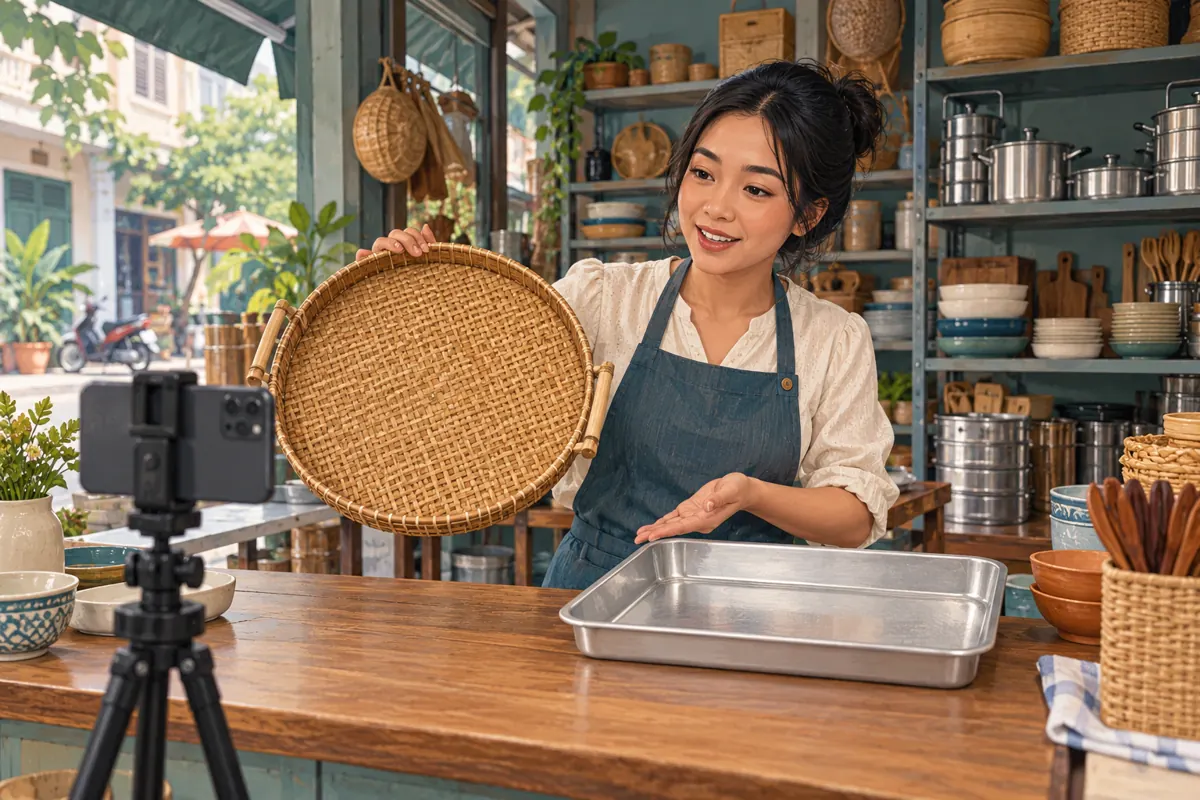
A kitchenware video can show the correct product while its translated title promises something different. A serving tray becomes a baking tray, a single item sounds like a set, or a demonstration appears to advertise stock that has already sold. For Cambodian shops answering enquiries in Khmer and English, these mistakes create avoidable conversations before a buyer even discusses an order. This guide explains how to prepare and review translated YouTube titles and descriptions for one existing video. It also shows why an SMM panel service cannot establish that viewers understood the translation, wanted the product or were located in Cambodia.
1. Choose one buying question before choosing another language
Start with the misunderstanding that matters commercially. In a hypothetical Phnom Penh kitchenware shop, a video demonstrates carrying cups on a woven serving tray. An English draft calls it a baking tray because the translator selected a broad dictionary equivalent without watching the demonstration. The wording attracts the wrong question: whether the product belongs in an oven. The useful correction is a precise product name, not a more exciting promotional phrase.
Write a one-sentence purpose for the video, such as helping buyers recognise the serving tray and understand which measurements to request. Then decide whether another language would help people the shop can actually serve. Existing enquiries, staff conversations and customer requests are useful starting points. Do not assume every Cambodian customer prefers Khmer or every English-speaking viewer lives abroad. Language helps communication; it does not establish location or buying intent.
2. Build a product fact sheet the translator can check
Before drafting, gather the video link, a clear product photograph, the shop's internal item reference and the approved source description. Record what the video actually demonstrates. Separate verified facts from unanswered questions: material, dimensions, included accessories, intended use and current availability should each have an identifiable source. A metal appearance alone does not justify claims about oven suitability, food contact or heat resistance.
For the hypothetical serving tray, note whether the cups are props or included merchandise. Clarify whether the stated width includes the handles and whether a measurement refers to the usable interior. Give the translator the physical product or matching photographs when possible. This small reference pack prevents elegant wording from quietly changing the offer. If a fact remains uncertain, omit the claim or explain what the customer needs to confirm rather than asking the translator to guess.
3. Translate the product's meaning before polishing the title
Draft a plain title that identifies the item and the question answered. In the hypothetical example, an English version might be “Woven Serving Tray: Handle and Base Details.” That wording is appropriate only if those details appear in the video. “Best Baking Tray for Every Kitchen” would change both the product category and the strength of the claim. Keep persuasive language subordinate to accurate identification.
Ask a reviewer fluent in the target language to explain the title back in everyday speech. They should identify the product, its use and what they expect to learn. If their explanation differs from the footage, revise the wording. Keep model references unchanged when they identify a specific item, but explain unfamiliar terms around them. Transliteration can help someone recognise a spoken name; it should not replace a clear product description when the name alone is ambiguous.
4. Give the translated description a useful job
Use the opening sentence to confirm what appears on screen. Follow with the relevant limits and a practical enquiry instruction. A hypothetical description could explain that the video shows a serving tray, that cups are display props, and that buyers should send the item reference when asking about available sizes. This helps staff connect a message with the correct product without requesting unnecessary personal information.
Review commercial details independently from the title. Preserve currency labels, units, quantities and conditions wherever they appear. If delivery depends on the destination, do not translate that into nationwide delivery included. If availability changes frequently, direct viewers to confirm stock instead of leaving an undated certainty. The two language versions need equivalent meaning, but they do not need identical sentence order. Put the information each reader needs where it is easy to notice.
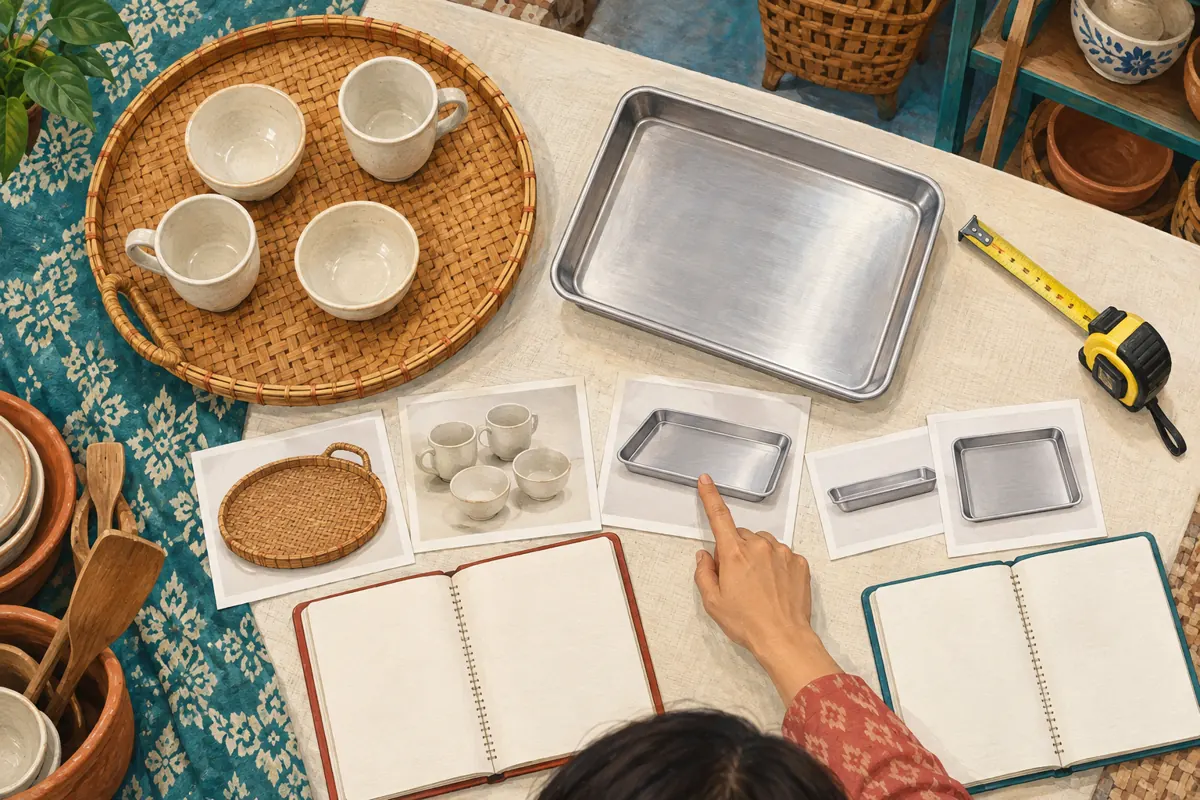
5. Add the translation to the existing YouTube video
YouTube's official instructions describe adding translated titles and descriptions through YouTube Studio. Open Subtitles, select the video, confirm its language if prompted, and choose Add language. Under Title and description, select Add, enter the approved translation and publish it. Check the selected video carefully before making the change. The platform steps are documented in YouTube Help's “Translate your own video titles & descriptions,” listed in the sources.
Keep an editorial record containing the video URL, original wording, translated wording, reviewer and approval date. Assign one person to enter the approved text and another to compare the saved fields with the draft. This is especially useful when several similar trays appear across the channel. A successful save only establishes that text was entered; it does not establish that the translation is accurate. Complete the product and language review before treating the video as ready for promotion.
6. Check what viewers understand, not just what the editor saved
Ask a Khmer reader and an English reader to open the intended video on their usual devices and report which title they see. YouTube provides preferred-language settings for audio, titles and descriptions, separate from app language and location settings. Its documentation also says translated titles and descriptions can be used to search for a video. These features do not promise that every viewer will see the same language version or that a particular search will rank the video prominently.
Use a simple comprehension check: what product is shown, what is included, and what should the buyer ask next? Avoid telling reviewers the answers first. Have them inspect the thumbnail and opening footage as well as the description. A translated title does not itself translate the spoken demonstration. If the spoken explanation remains inaccessible, decide whether reviewed subtitles or a separate explanation are needed before sending that audience to the video.
7. Apply a clear decision rule to SMM panel services
The supplied moha-smm.com catalogue includes “YouTube Like ~ Max 5k ~ 5k/days ~ Instant ~ 𝐍𝐎 𝗥𝗘𝗙𝗜𝗟𝗟”. Its name identifies a likes service, but the supplied description is empty. Treat the delivery wording as catalogue wording, not verified performance. Nothing supplied establishes translation expertise, Cambodian audience targeting, customer interest or official YouTube affiliation. A likes service does not solve the serving-tray naming problem.
YouTube's fake engagement policy prohibits artificial increases in views, likes and other metrics, and warns that a hired promoter's actions can affect the channel. Review the method against that policy before any purchase; do not proceed with artificial engagement. For this workflow, spend effort on language review and useful distribution. Purchased engagement is not evidence of genuine interest, sales, ad delivery or Cambodian users, and it cannot be used as a translation approval signal.

8. Share the corrected video with matching context
Once the wording passes review, write a short sharing message suited to its destination. A Khmer customer conversation and an English-language café purchasing discussion may need different introductions even when they point to the same video. State the actual question the demonstration answers. Share in places where the content is welcome, and avoid repeating an identical sales message across unrelated communities.
Prepare the enquiry handoff before increasing distribution. Staff should recognise the video reference, know which tray appears and have a consistent answer about included items. In the hypothetical shop, a buyer asking about a serving tray should not receive the baking-tray price sheet simply because both products are stored under a broad internal category. Keep the original message and clarify the item before quoting. Better promotion includes making the next conversation easier to handle.
9. Review enquiries without inventing a success story
For an initial review period, record the questions people voluntarily ask after encountering the video. Useful categories include product identity, dimensions, included items, availability and collection or delivery. Note the language used and whether the person actually mentions the video. Do not assign a country based on a name or language. Keep identifiable customer details out of a general editorial review.
Suppose, hypothetically, an English enquiry still asks whether the woven tray can go in an oven. That is a reason to investigate the wording, thumbnail or sharing message, not proof that the entire translation failed. Ask which phrase caused the confusion. Conversely, a quieter inbox does not prove everyone understood. Review conversations alongside distribution changes and stock conditions. Describe observations narrowly: a question occurred, a phrase was clarified, and a revised version needs checking.
10. Fix recurring mistakes and keep both versions current
Common mistakes include translating without watching the video, using a broad product category as a specific name, converting a demonstration into a performance promise, and forgetting that accessories may only be props. Another is approving a title while leaving an old offer in the translated description. Check each claim against the reference pack rather than assuming consistency because both versions look polished.
Create a maintenance trigger for meaningful changes. When the shop changes an included accessory, enquiry destination or availability statement, review every published language version affected by that fact. Keep a short change note so staff know what customers may have seen earlier. If the product shown no longer matches the offer, decide whether the video should remain a general demonstration or needs replacement. Translation is most useful when the underlying information remains dependable.

Frequently asked questions
Should a Cambodian shop translate every video into English?
Start with videos that answer recurring questions from people the shop can serve in English. A small set of accurate, maintained translations is more useful than a large collection nobody can review. Consider staff capacity too: attracting an enquiry in another language creates a need to answer it clearly.
Can machine translation produce the first draft?
It can assist drafting, but someone fluent in the target language should check the product meaning against the footage and verified facts. Pay particular attention to similar item names, measurements, included accessories and conditions. If nobody can validate a consequential claim, simplify or omit it rather than publishing an uncertain translation.
Why does a colleague still see the original title?
First confirm that the translation was published for the intended video and language. Then review the colleague's viewing context and preferred-language settings. YouTube documents language preferences for titles and descriptions; changing app language alone is not a reliable universal test. Seeing the original title does not by itself prove the translation was lost.
Can more likes show that the English wording works?
No. A like does not tell you whether someone understood the product name, lives in Cambodia or intends to buy. Purchased likes are especially unsuitable as evidence of comprehension. Use direct language review and specific customer questions to investigate clarity, while keeping promotion activity separate from your conclusions.
What if the original title is also inaccurate?
Correct the underlying product identification before translating it. Review the source title, description and sharing copy together, then update the translated versions from the corrected facts. Translating an inaccurate source faithfully only reproduces the problem. Record the correction so staff can recognise enquiries based on the earlier wording.
Explore the current service catalogue, create an account, or ask a specific question through support tickets.
- YouTube Help: Translate your own video titles & descriptions
- YouTube Help: Watch videos in your preferred language
- YouTube Help: Fake engagement policy
Prepared with AI assistance. Illustrations explain the workflow and do not represent customer results.