19/10/2026 08:18
Can Instagram Poll Votes Guide Your Next Product Demo? A Workflow for Cambodian Bag Shops
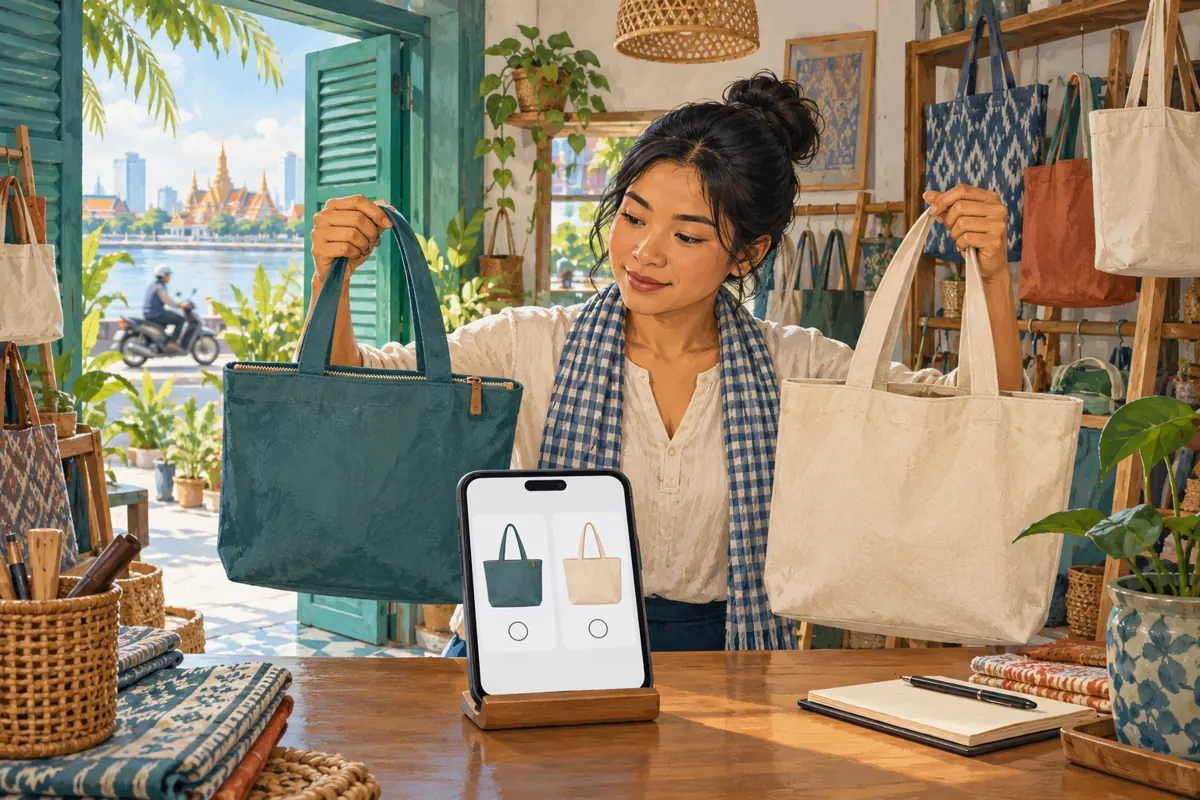
An Instagram Story poll can help a Cambodian shop decide which product detail to explain next. It cannot tell the owner how much stock to buy simply because one answer wins. Someone may enjoy a bag’s appearance without needing it, living near the shop or accepting its price. That distinction matters when a business uses social media for promotion and also browses SMM panel services. This workflow follows a hypothetical Phnom Penh tote-bag shop choosing between demonstrations of a zip-top bag and an open-top bag. The aim is to turn a modest audience preference into useful content while keeping purchasing decisions grounded in actual enquiries and orders.
1. Choose a decision small enough for a poll
Start with a decision the shop can reverse easily. Choosing tomorrow’s demonstration is suitable: both products are available, either video would help customers, and filming one first does not commit the business to a supplier order. Write the decision before drafting the question: choose which opening style to demonstrate first.
Avoid asking a preference question and silently treating it as a purchasing survey. A vote for a zipper does not establish willingness to pay extra for one. Likewise, choosing a colour does not confirm a reservation. If the actual decision concerns inventory, gather product-specific enquiries, confirmed purchases and supplier information separately. Let the poll identify something worth investigating.
2. Ask about the demonstration, not an imagined sale
For the hypothetical shop, a useful question is: Which bag opening would you like to see demonstrated? The choices are Zip top and Open top. This wording tells viewers exactly what their answer influences. Compare it with Which bag will everyone buy? That question invites speculation about other people and encourages the shop to overstate the result.
Keep both choices similarly specific. Do not compare Secure premium zipper with Basic bag: those descriptions make one option sound preferable before viewers examine it. If customers usually communicate in Khmer, prepare the public question and choices in natural Khmer and have a fluent colleague check them. Use product photographs to reinforce meaning, without assuming pictures alone explain the difference.
3. Give each option a fair visual presentation
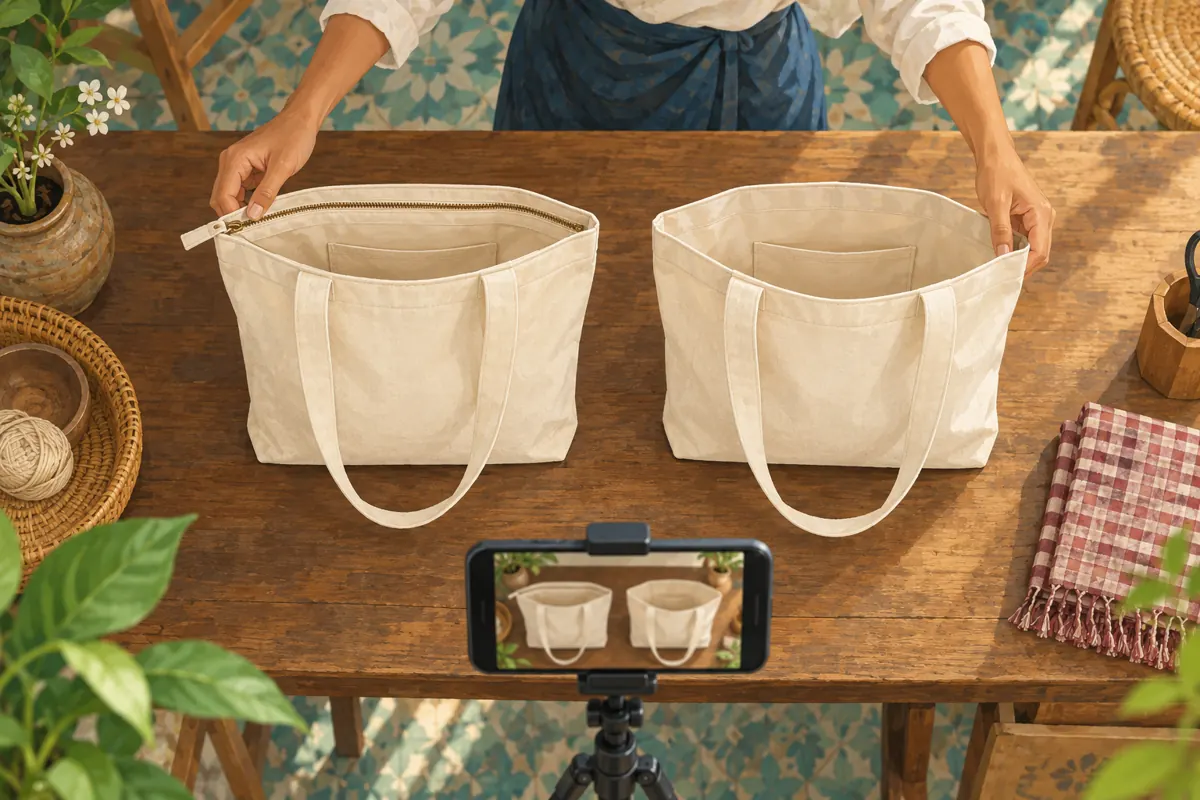
Photograph both openings from a comparable angle, at a similar scale and under the same lighting. Ideally, use bags with matching fabric and dimensions so viewers focus on the closure. If the available samples differ in colour or shape, acknowledge that limitation in the planning notes. The result may reflect the whole bag rather than its opening.
Show enough of the top edge to make the difference visible on a small phone. Avoid placing an attractive lifestyle scene behind one option and a cluttered stockroom behind the other. Before posting, ask a colleague to identify both choices without an explanation. If they cannot, improve the visual before collecting answers. The cover illustration is conceptual; an actual comparison should use the shop’s own product images.
4. Build and check the Story in the available app
Meta’s own Instagram activity guide identifies the Poll sticker in Stories as a way to ask a community for input. In the shop’s Instagram app, prepare the Story media and look for Poll among the available stickers. Enter the question and choices, then review the complete composition. Use the controls actually shown in the account rather than relying on an old tutorial’s exact button positions.
Keep the sticker clear of the product feature it asks about. Check spelling, choice order and whether the images match the answer labels. If the tool is unavailable or behaves unexpectedly, postpone the poll or invite written replies instead. Written replies are a different feedback method; do not combine them with poll totals as though they were collected identically.
5. Define the audience and review window
Decide who the question is intended to help. A shop serving local students might want to explain carrying notebooks; a shop supplying gifts might need to explain packaging. Neither audience can be identified merely from the language of a vote or an account name. Make the scenario explicit in the surrounding Story so viewers understand the intended use.
Choose when the team will review responses and record that time in Cambodia local time. Ask naturally through the shop’s own content, without pressuring staff or friends to select a preferred answer. If another business shares the poll, note that additional exposure. It changes who may respond, even when every response is voluntary. Avoid repeatedly reposting until the owner gets the desired winner.
6. Keep purchased votes out of the decision
The supplied moha-smm.com catalogue includes the exact title Instagram Story Poll Votes - HQ Real Accounts [ Option1 ]. The title identifies a poll-vote offering associated with an option label. Its description is empty, so it does not establish Cambodian participation, purchase intent, eligibility requirements or what that option label means in a particular Story. The account-quality wording is a catalogue claim, not independently verified evidence.
For a poll intended to inform a business decision, do not buy votes. Buying responses changes the evidence you are trying to collect. Purchased engagement does not prove genuine interest, sales, advertising delivery or Cambodian users. Instagram’s published guidelines also discourage artificially collected engagement. A panel listing does not establish platform approval or an official relationship with Instagram.
If purchased votes have already affected the poll, label the result unsuitable for customer-preference inference. Do not subtract an order quantity and assume the remainder represents genuine local customers: delivery records cannot authenticate individual responses. Run a fresh, unpurchased feedback exercise if the decision still matters, and keep the earlier result out of promotional claims.
7. Read the result at the level it supports
At the planned review time, record the question, answer choices and whatever results the app actually displays. Retain the response total alongside any displayed percentages; a percentage without its denominator can look more substantial than the underlying participation. Do not estimate missing counts or claim access to respondent details that the account does not show.
Describe the finding narrowly: participants in this Story preferred seeing the zipper demonstration first. Do not write Cambodian shoppers prefer zipper bags. Story respondents are self-selected, and the shop has not established that they represent its market. If participation is limited or the choices are close, choose the demonstration that answers the clearest existing customer question. There is no universal vote threshold that makes an informal poll representative.
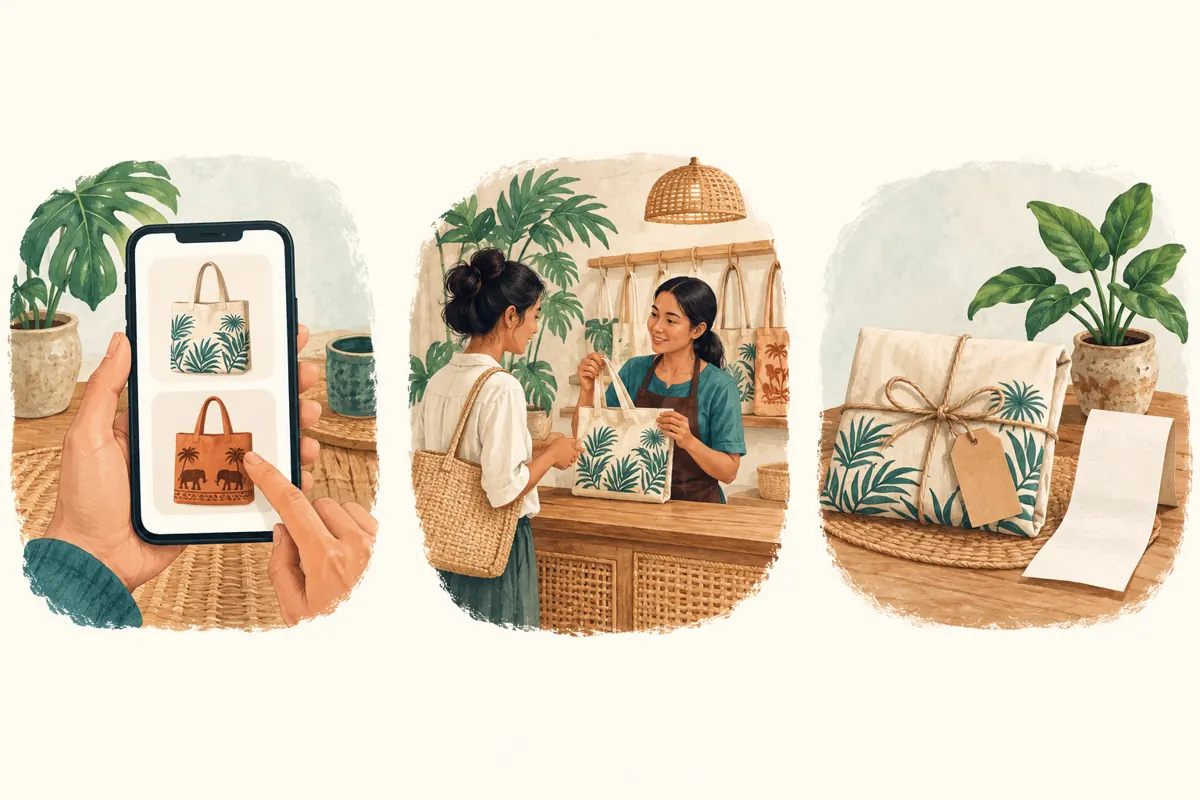
8. Turn the answer into a useful demonstration
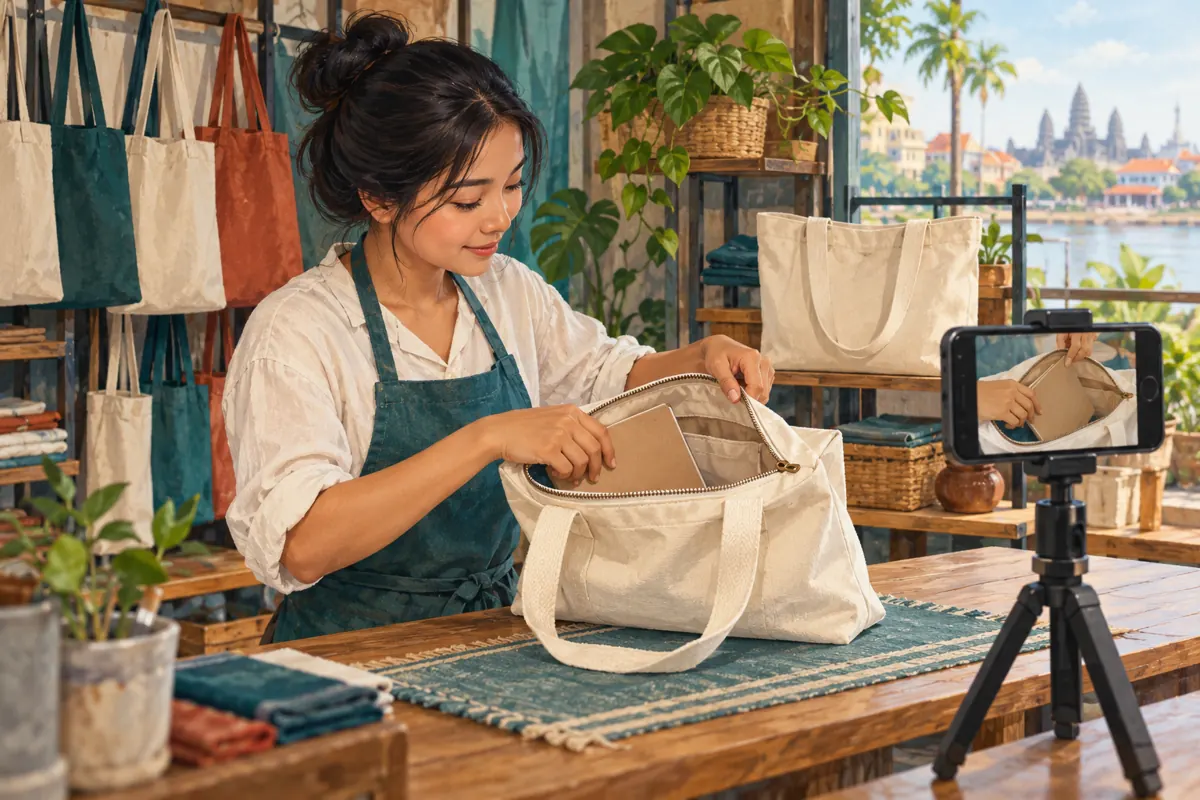
In the hypothetical example, suppose the zip-top demonstration is the more requested option. Film the actual opening, show a notebook going inside and explain how the zipper closes around the contents. Show the relevant limitations too: a zipper does not automatically make a fabric bag waterproof, and a notebook fitting does not prove every laptop will fit.
Introduce the follow-up honestly: We asked which opening to show first; here is the zip-top version. Avoid declaring it the bestselling bag unless genuine sales records support that separate claim. Include the measurements, availability and enquiry route that customers need. Keep the other demonstration on the content list, especially if replies reveal uncertainty about access, capacity or carrying comfort.
9. Verify buying interest through a separate conversation
When someone enquires after the demonstration, answer the practical purchase questions: which model, which size, current availability and the applicable pickup or delivery arrangement. For a Cambodian shop, clarify the actual service area rather than assuming every interested viewer can collect in Phnom Penh. State the currency whenever giving a price, and distinguish product cost from delivery charges.
Record a vote, an enquiry and a confirmed order as different events. A person asking whether the bag fits a notebook has not necessarily ordered it. A reservation should follow the shop’s clearly communicated confirmation process. Do not contact every voter with repeated sales messages or treat a tap as permission for ongoing marketing. Let the demonstration give interested viewers a clear way to approach the business.
10. Review what the poll changed
After publishing the demonstration, ask whether it resolved the original uncertainty. Did customers still ask to see the opening? Did a new question emerge about the lining? Those observations can improve the next explanation without claiming the poll caused sales. Keep a short note connecting the question, the filming decision and any unresolved product questions.
Common mistakes include changing several product features at once, hiding an awkward result, presenting purchased votes as customer approval and ordering stock from a winning percentage alone. A better response to uncertainty is proportionate: clarify the question, make a low-cost demonstration or ask interested customers for details. The useful outcome is a clearer product explanation and a better next decision, not a more impressive-looking poll.
Frequently asked questions
Can a small shop learn anything from only a few responses?
Yes, if the decision is modest. A few voluntary responses may suggest which demonstration to make first, particularly when filming is inexpensive. They cannot establish the preferences of Cambodian shoppers generally. If the consequence is expensive, such as a large stock order, collect additional evidence rather than trying to make the poll appear more decisive.
Should we ask which bag customers would buy instead?
Only if you can explain the relevant product details and accept that the answer remains hypothetical. Price, dimensions and collection arrangements can change someone’s choice. For planning a demonstration, ask directly about the demonstration. To assess an actual purchase, invite an enquiry and follow the shop’s normal confirmation process without treating a poll vote as an order.
What should we do if the preferred option is unavailable?
Do not imply it is ready to purchase. Explain that the demonstration shows a sample or an unavailable model, whichever is accurate, and provide a confirmed availability update only when you have one. If neither option can be demonstrated honestly, choose a different question. A poll should not create a promise the business cannot fulfil.
Can we share the winning result publicly?
You can describe an unpurchased poll accurately and with context, but avoid broad claims about national demand or customer approval. State what the question asked and identify it as feedback from that Story. Do not expose individual responses unnecessarily. If purchased votes affected the result, do not present the outcome as authentic audience preference.
Does buying votes help us reach Cambodian customers?
The supplied service title does not establish Cambodian targeting or distribution to prospective buyers. A delivered vote is not proof that a relevant person discovered the business, understood the product or intends to purchase. For this workflow, spend effort on understandable product comparisons and useful follow-up content. Evaluate any separate promotion through its documented terms and actual enquiries, without inventing a connection to poll activity.
Explore the current service catalogue, create an account, or ask a specific question through support tickets.
- Meta: 30 Ideas for Month of Good — Instagram Stories Poll sticker
- Instagram Help Center: Community Guidelines
Prepared with AI assistance. Illustrations explain the workflow and do not represent customer results.