20/10/2026 10:35
Which Fitting Guide Should Viewers Open? YouTube Info Cards for Cambodian Water-Pump Shops
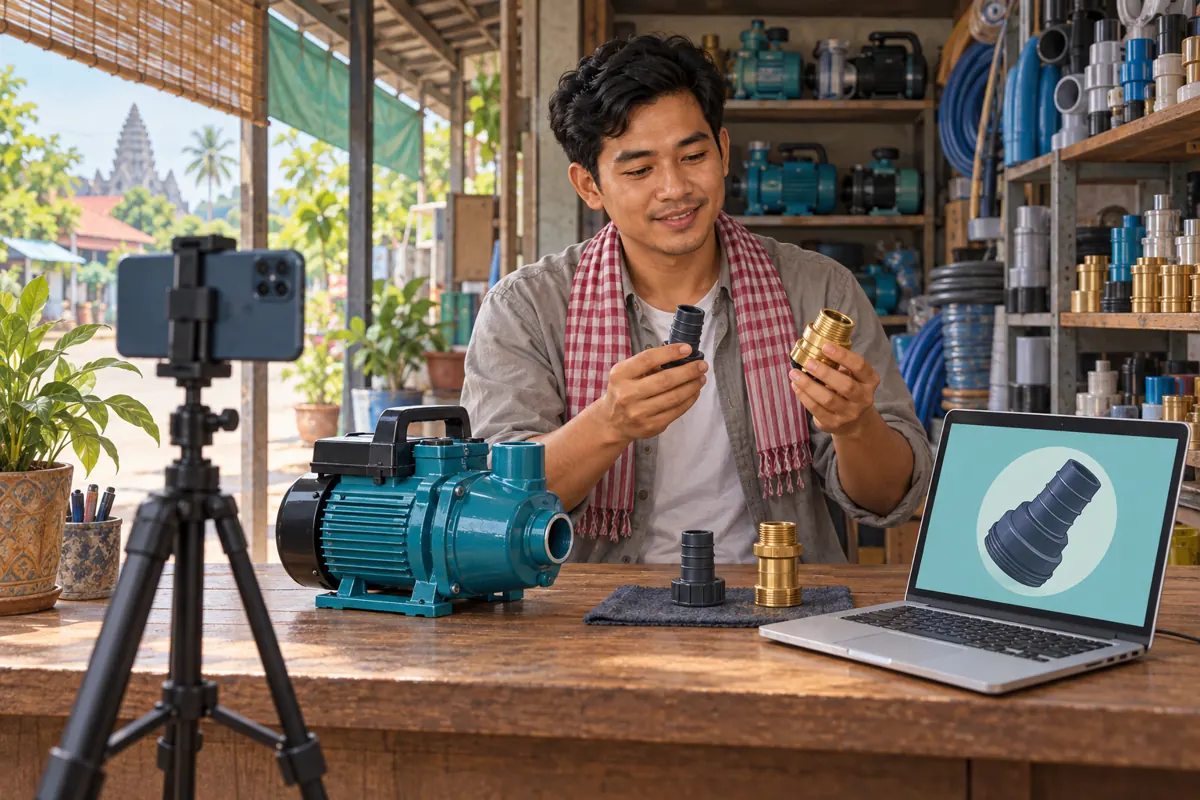
A water-pump demonstration can raise a question before it finishes: which connection is the presenter holding, and where can the viewer see it more clearly? For a Cambodian shop promoting equipment through YouTube, that moment offers a useful opportunity to guide further viewing. An info card can point towards a focused explanation while the question is still fresh. This article uses a hypothetical shop workflow to show how to choose that destination, introduce it honestly and check the result. It also explains where SMM-panel evaluation belongs: a purchased engagement count cannot establish fitting compatibility, Cambodian audience interest or a completed sale.
1. Start with the question that interrupts understanding
Imagine a hypothetical shop in Battambang filming a general introduction to a compact water pump. The presenter briefly shows a hose connection, then continues with the product overview. Customers later ask whether the loose fitting shown beside the pump is included. Others want to know which photograph to send before requesting a replacement. Those are different questions, even though both mention the same component.
Choose one question for the first card. Write it in the shop's planning notes as a customer would ask it: “Where can I see the connection clearly?” Then identify a video that answers precisely that question. If no suitable explanation exists, make it before adding the card. Sending viewers to a broad catalogue video simply because it already exists creates another search task instead of resolving the original uncertainty.
2. Choose a destination that earns the extra click
YouTube's official guidance lists video, playlist, channel and external-link cards. Video and playlist destinations must be public; external-link cards require YouTube Partner Program participation. Cards are unavailable on videos marked made for kids. Confirm eligibility before planning the route.
For the hypothetical pump shop, a focused video is the clearest starting point. Its opening should show the connection featured in the main demonstration, followed by the distinguishing details the shop needs for an enquiry. A playlist makes more sense when customers genuinely need to compare several related explanations. Avoid sending a novice directly into a mixed collection of repairs, promotions and unrelated equipment. The destination should reduce uncertainty immediately, even if the viewer never contacts the shop.
3. Build a fitting guide without implying compatibility
Prepare the supporting video around identification rather than an unsupported promise that two parts will fit. Show the relevant item from useful angles, include its verified product reference where available, and explain what information staff need to check a request. Similar appearance alone is an unreliable basis for a recommendation. Keep the filming setup separate from installation advice, and use disconnected display equipment for these identification shots.
For example, the hypothetical guide might show the opening, the side profile and the packaging reference, then ask viewers to send the pump model and a clear photograph of their existing connection privately. State whether the demonstrated fitting is included with the displayed product or merely shown as an example. Do not improvise technical specifications for the video. Ask the staff member responsible for product verification to approve those details before filming.
4. Place the card at a natural decision point
Watch the main demonstration without stopping and note when the viewer first has enough context to understand the additional guide. A useful moment might follow the presenter's introduction of the loose connector. Placing the suggestion before the component appears leaves viewers guessing; placing it during a close-up may compete with the detail they are trying to examine.
In the hypothetical script, the presenter finishes identifying the component and briefly explains that a separate guide shows the connection more closely. The main demonstration then continues normally. This gives interested viewers a reason to branch off without making the rest of the video depend on that action. Choose timing from the actual sequence of explanation, rather than an arbitrary fraction of the video's length. A short, self-contained demonstration may need no card at all.
5. Write the invitation in the customer's language
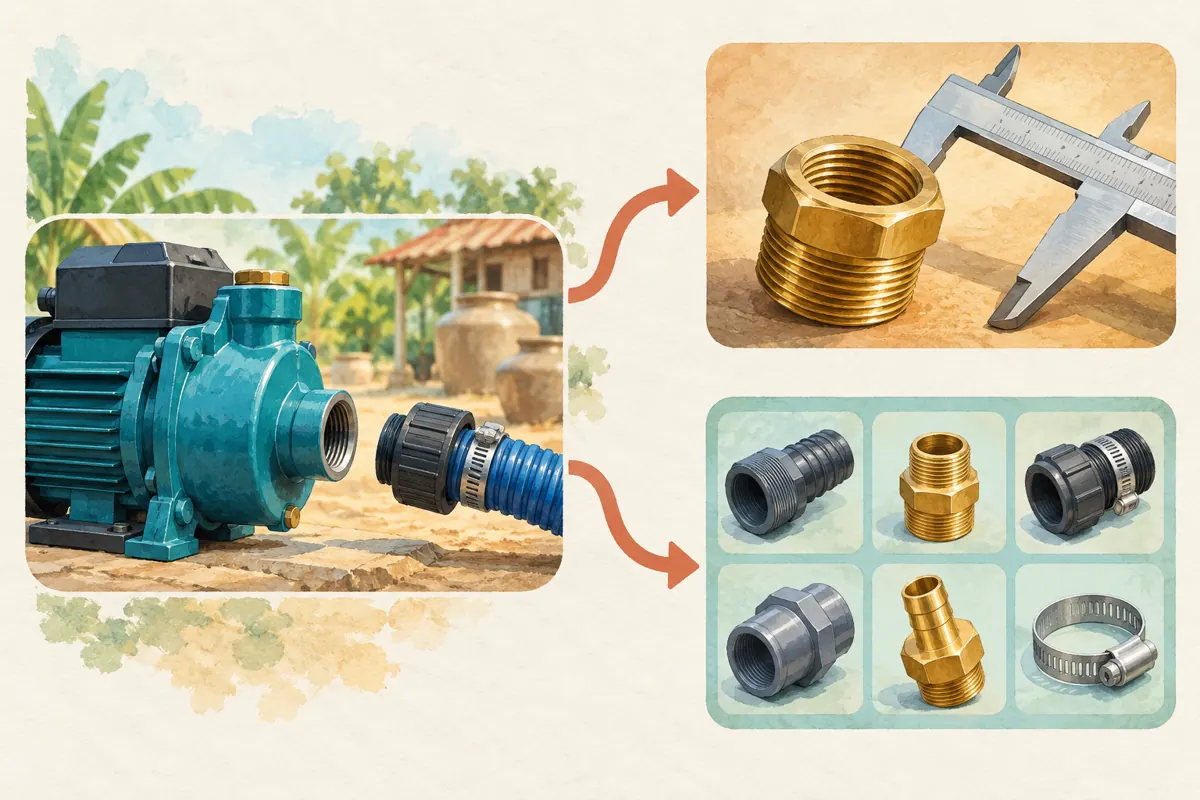
For a Khmer-speaking audience, prepare the spoken invitation and supporting destination in clear Khmer. Preserve genuine model names and product codes accurately. Have a fluent colleague review how staff name the fitting, especially if the shop uses an English trade term alongside a Khmer explanation. A destination title that customers cannot recognise can undo an otherwise clear demonstration.
Keep the invitation specific and modest. An illustrative English planning phrase is “See the connection close-up,” rather than “Find your perfect fitting.” The first describes what the next video contains; the second implies a conclusion the video may not support. Match the destination thumbnail to the actual component shown. Avoid a dramatic pump image if the linked explanation is about a small adapter. The viewer should recognise the connection between the two videos without reconstructing the shop's internal catalogue.
6. Add the card and keep a small change record
On a computer, open YouTube Studio, select Content, choose the video, then open Editor and Info cards. Select the card type and destination, set its start time, add suitable teaser or message text where supported, and save. YouTube permits up to five cards per video; one purposeful recommendation is enough for this trial.
Record the main video's address, the destination address, the question being answered and the point in the demonstration where the card is introduced. Add the reviewer's name and the date. This is an editorial record, not a customer database. It lets another employee check the route later without guessing which similarly named video was selected. If the guide changes, update the record when reviewing the card. Avoid treating a saved editor setting as proof that the complete customer experience works.
7. Test the route as a viewer
Open the published demonstration outside the editing screen. Check that the recommendation leads to the intended guide and that the guide begins with the promised subject. Review the experience on the devices your shop can test, including a phone. Presentation can vary, so avoid recording instructions that depend on everyone seeing an identical interface.
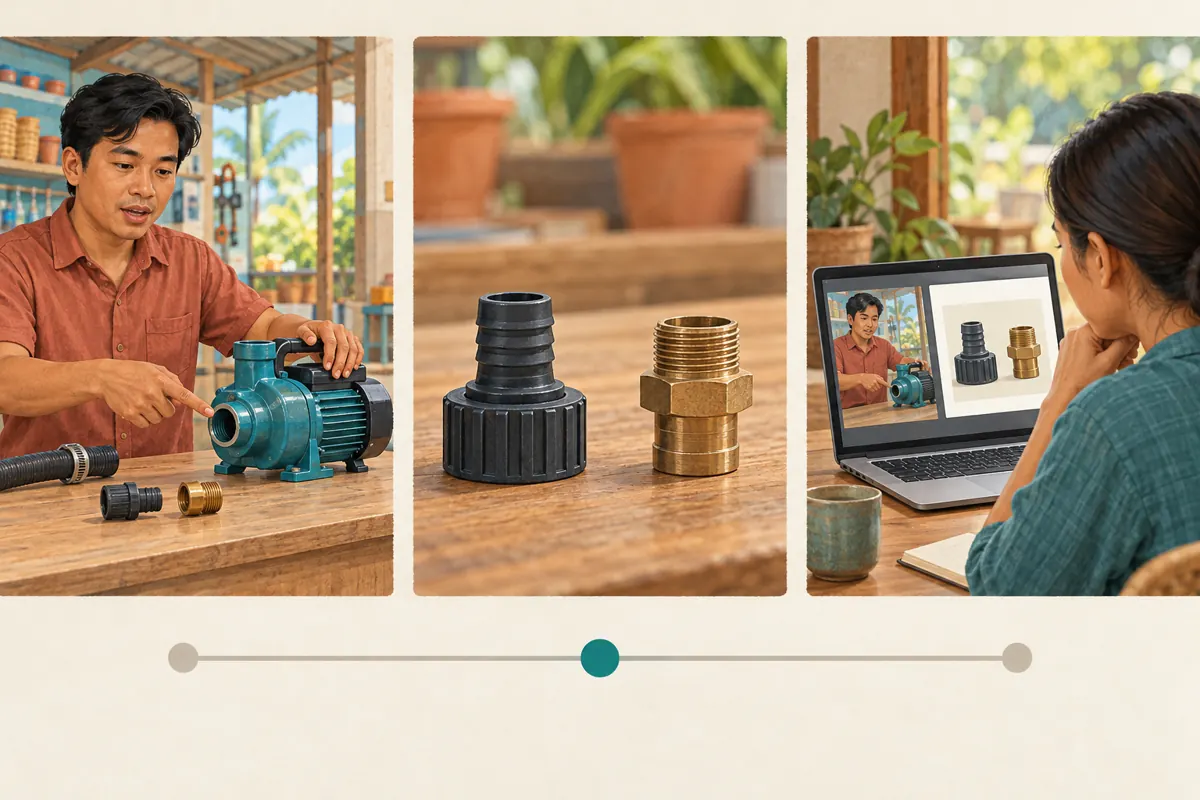
Ask a colleague who did not build the route to follow it. Give them a concrete task: find the explanation showing the connector's side profile, then describe what information they would send the shop. If they select the wrong video or cannot identify the next step, revise the destination title, thumbnail or explanation. Include a clearly described route to the supporting guide in the main video's description as well. This provides another way to find it when the card is missed.
8. Keep SMM-panel decisions outside the navigation test
The supplied moha-smm.com catalogue includes the exact listing “YouTube - Like ~ Max 1M ~ 𝐍𝐎 𝗥𝗘𝗙𝗜𝗟𝗟 ~ 50k/days ~ INSTANT”. Its name identifies a like-related offering, but the brief provides no description explaining its delivery method. Treat the numerical and timing language as catalogue claims, not verified outcomes. Nothing supplied establishes Cambodian viewers, product knowledge or purchasing intent.
YouTube's fake engagement policy prohibits artificially increasing engagement metrics and warns that a hired promoter's actions can affect a channel. Do not use artificial likes to validate this workflow or promote metric-inflation services through the card. If evaluating any provider, establish the actual method and its policy compliance before spending. A panel listing is not proof of official affiliation or advertising delivery. For this navigation task, useful spending could instead support clearer filming, accurate language review or better product documentation.
9. Review whether enquiries become easier to answer
Define a practical review question before sharing the demonstration: do viewers who mention the guide provide the information staff need to begin checking their request? Keep a short record of recurring missing details, such as an unreadable model reference or an unclear connection photograph. Do not copy private customer images into a public promotion report.
In a hypothetical review, staff might notice that people understand which component is being discussed but still omit the pump model. That suggests improving the guide's closing instruction. It does not establish that the card increased sales. Likewise, a customer who sends complete information may have learned from another source. Ask how they found the guide when appropriate, record uncertainty, and distinguish observed questions from assumptions about the viewing journey. Evaluate the usefulness of the explanation before drawing broader marketing conclusions.
10. Avoid the mistakes that make cards feel like detours
Do not fill every available card position merely because the interface allows it. Several competing destinations can leave a simple product demonstration without a clear next step. Avoid using the same generic destination on every upload: a fitting identification guide will not necessarily help someone asking about what is included in a package.
Another mistake is leaving an old recommendation in place after changing the supporting video or product range. Review the route when a relevant specification, inclusion or product reference changes. If the destination no longer answers the question, replace or remove the recommendation. Do not relabel an unrelated sales video as a technical answer to attract clicks. Finally, keep essential information in the main demonstration. A viewer should not need to follow a card to discover a crucial qualification that changes the meaning of what they have just watched.
Frequently asked questions
Should every pump demonstration have an info card?
No. Use one when a related explanation would help a particular group of viewers without making the main video confusing. If the demonstration already answers the question clearly, an additional destination may add unnecessary work. Start with the video that produces the clearest recurring follow-up question, then assess whether the linked guide resolves it.
What if the shop has no supporting video yet?
Draft the answer first and decide whether it needs a separate video. A brief clarification may belong in the main demonstration or its description. Create a supporting guide when viewers need additional visual detail, such as several views of a connection. Do not send people to an unrelated upload just to complete the card setup.
Can a card confirm that a fitting will work with a customer's pump?
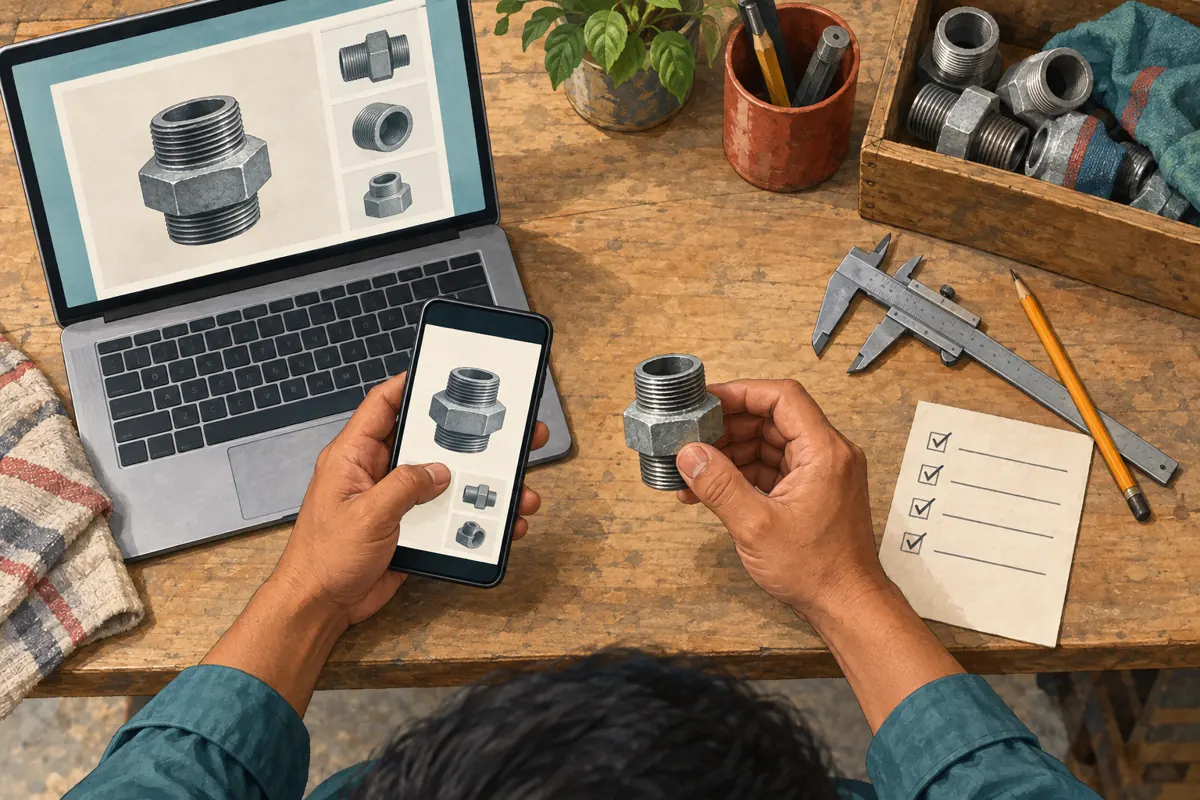
No. It can direct someone to identification information, but it cannot verify their equipment. Ask for the relevant model details and photographs, then have competent staff check the request against reliable product information. Keep any final recommendation separate from the general demonstration, especially when different versions look similar.
What should staff do if customers cannot find the card?
Provide the supporting video's clearly described link through the main video's description or a direct reply. Check the published route yourself rather than assuming the customer overlooked it. The objective is to make the answer accessible; customers should not need to troubleshoot an interface before receiving useful product information.
Would more purchased likes make this trial more convincing?
No. A like total cannot show that viewers found the right guide, understood the fitting or intended to buy locally. Evaluate the clarity of the route and the questions that follow. Keep any provider's delivery record separate from business conclusions, and reject artificial engagement methods that conflict with YouTube's rules.
Explore the current service catalogue, create an account, or ask a specific question through support tickets.
Prepared with AI assistance. Illustrations explain the workflow and do not represent customer results.